


Public
Unearthing the fascinating history of casinos From ancient games to modern marvels
Unearthing the fascinating history of casinos From ancient games to modern marvels
The Origins of Gambling: A Glimpse into Antiquity
The history of gambling can be traced back to ancient civilizations, where the practice was often intertwined with religious and cultural rituals. In ancient China, as early as 2300 BC, people engaged in games of chance that involved betting with tiles. This fascination with games spread across various cultures, including the Egyptians, who used dice made from bones to play betting games. Furthermore, the excitement surrounding these early activities paved the way for exploring betting sites with free bets that cater to modern players, laying the groundwork for the intricate systems we see today.

In ancient Rome, the culture embraced games of chance with enthusiasm, reflecting both social hierarchies and community life. Roman soldiers were known to gamble on dice games during their downtime, while citizens participated in betting on gladiatorial contests. The Romans not only made gambling a pastime but also developed laws regulating these activities, a testament to the societal impact of gambling practices that influenced future generations.
Throughout history, gambling was often associated with moral debates, as societies grappled with its implications. While many viewed it as a mere form of entertainment, others criticized it as a vice that could lead to moral decay. Nevertheless, the allure of chance persisted, paving the way for the evolution of gambling into a significant social activity, ultimately giving rise to the modern casino landscape we recognize today.
The Rise of Casinos in the Middle Ages
The establishment of casinos as we know them began during the Middle Ages, a period that saw the birth of structured gaming houses in Italy. The first documented casino, the Ridotto, opened in Venice in 1638, providing a controlled environment for gambling. This marked a shift from informal gambling in public spaces to a regulated space where patrons could indulge in games like baccarat and various types of dice games. The Ridotto set the stage for future establishments that would evolve into the modern casino.
As gambling grew in popularity, so did the concept of dedicated gambling venues across Europe. The aristocracy played a significant role in patronizing these venues, often treating them as social hubs. Establishments like Casino di Venezia became symbols of wealth and sophistication. The games offered were not only a means of entertainment but also a display of status, attracting individuals from various social strata and fostering a culture around gaming that would expand into the masses.
By the time the 18th century rolled around, casinos had begun to flourish, particularly in cities like Paris and Baden-Baden. The rise of card games, particularly baccarat and poker, captured the public’s interest, leading to increased foot traffic and revenue for these establishments. This period laid the foundation for a gambling culture that would transcend borders, eventually influencing the development of casinos in the New World.
The Golden Age of Casinos in the 19th Century
The 19th century heralded a transformative era for casinos, coinciding with the industrial revolution that reshaped social dynamics and economic landscapes. In this period, casinos began to adopt a more formalized structure, with rules and regulations that sought to ensure fair play. The establishment of Monte Carlo Casino in Monaco in 1863 became a hallmark of luxury and sophistication, attracting wealthy patrons from across Europe and beyond.
During this time, the introduction of games like roulette and the expansion of poker further revolutionized the gaming experience. The allure of chance, combined with the thrill of competition, captivated individuals from all walks of life. The elegance of these establishments and the variety of games offered created an atmosphere of excitement, making casinos a preferred destination for social gatherings, vacations, and leisure activities.
Moreover, the 19th century saw the birth of gaming regulations in many regions, aimed at curbing illegal gambling while legitimizing and taxing the industry. This not only helped standardize games but also ensured a safer environment for players. The growth of casinos during this period set the stage for the global expansion of the gambling industry, establishing a blueprint that modern casinos would follow.
The Modern Casino Revolution: Technology and Entertainment
The late 20th century marked a significant turning point in the casino industry, characterized by technological advancements that transformed the gambling landscape. The introduction of electronic slot machines in the 1960s added an exciting dimension to gaming, allowing casinos to offer a diverse range of games with captivating visuals and sounds. This innovation attracted a broader demographic, helping to redefine the casino experience and integrate it into mainstream entertainment.
Simultaneously, the rise of online casinos in the late 1990s revolutionized how players engaged with gambling. No longer confined to physical locations, individuals could access a multitude of games from the comfort of their homes. This shift democratized gambling, allowing players to explore a vast array of options while enjoying convenience and anonymity. The evolution of technology further opened avenues for mobile gaming, ensuring that casinos could reach audiences on-the-go.
As casinos embraced modern entertainment trends, many began to incorporate shows, dining experiences, and nightlife into their offerings. This convergence of leisure activities transformed casinos into multi-dimensional resorts, appealing not only to gamblers but also to families and tourists seeking a complete entertainment experience. The modern casino now serves as a hub for social interaction, leisure, and excitement, solidifying its place in popular culture.
Exploring Today’s Casinos: A Unique Experience
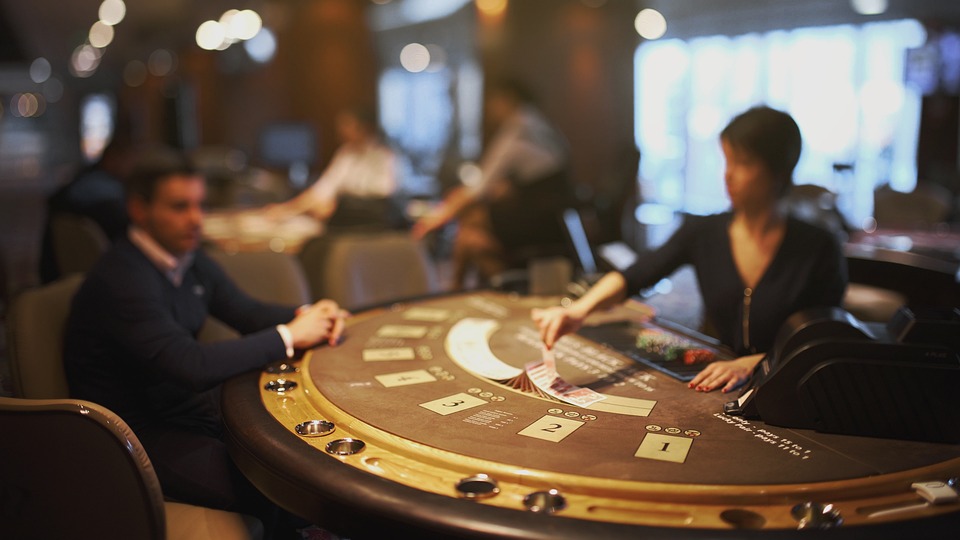
Today’s casinos continue to evolve, reflecting the dynamic landscape of entertainment and technology. With advancements in virtual reality and augmented reality, casinos are beginning to create immersive gaming experiences that blend the physical and digital worlds. These innovations enhance the player experience, making it more interactive and engaging, catering to a tech-savvy generation.
The global casino industry now encompasses a variety of themes, styles, and gaming options, with establishments in Las Vegas, Macau, and beyond setting benchmarks for luxury and excitement. Players can indulge in classic games or experience themed environments that transport them to different worlds. Whether enjoying a traditional card game or an immersive VR slot experience, today’s casinos strive to captivate and entertain.
Additionally, responsible gambling initiatives and regulations have become a vital aspect of the modern casino experience. Many establishments prioritize player well-being, offering support and resources to promote healthy gambling habits. This commitment to social responsibility ensures that the thrill of gaming is enjoyed safely, allowing individuals to engage with the exciting world of casinos while minimizing risks.
